Pferdedarm & Verdauung stärken – natürliche Unterstützung für dein Pferd

Stomach and Gut Flora in Horses

A healthy stomach and a stable gut microbiome are essential for digestion, metabolism, and immune strength in horses. In species-appropriate, natural feeding practices, they play a central role. When the digestive system is in balance, it’s clearly reflected in a shiny coat, strong hooves, and a horse that is both vital and emotionally balanced.

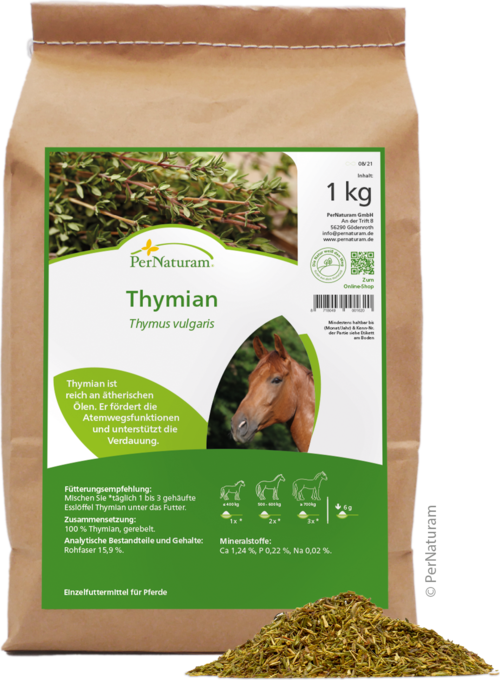
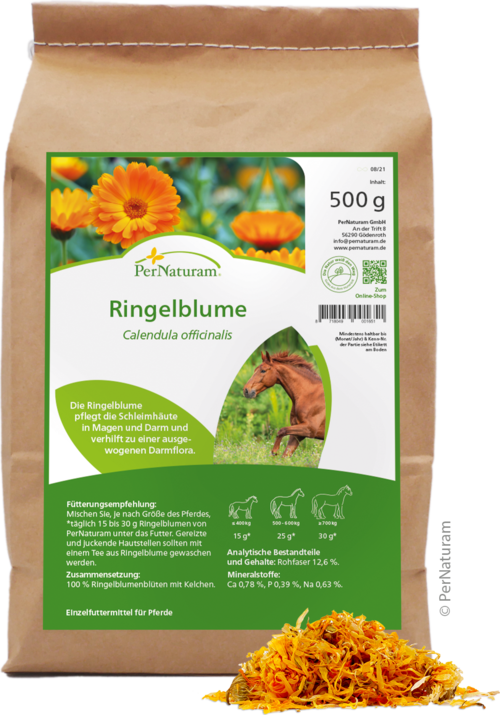
vorbeugend

zur Unterstützung bei Blähungen

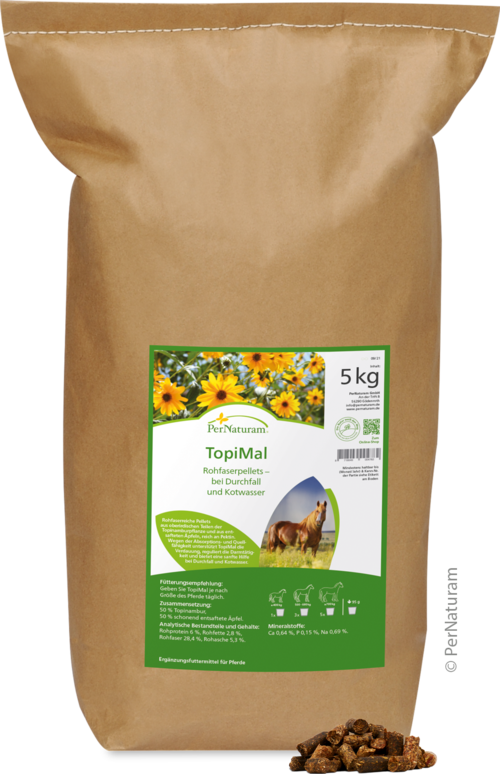
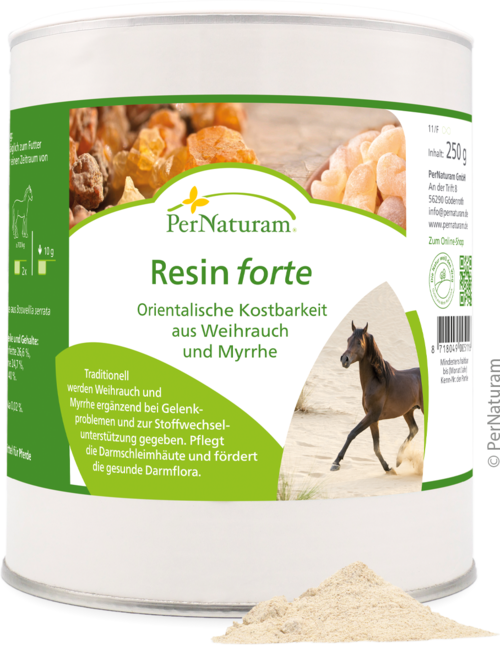
zum Abbinden

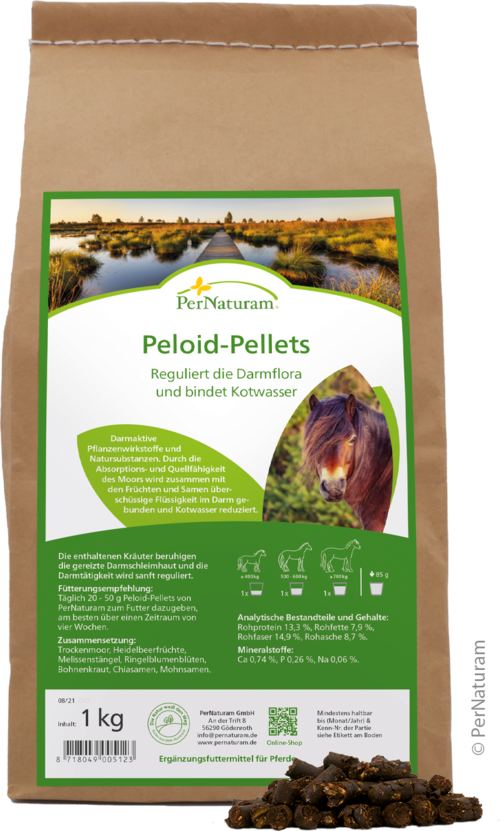
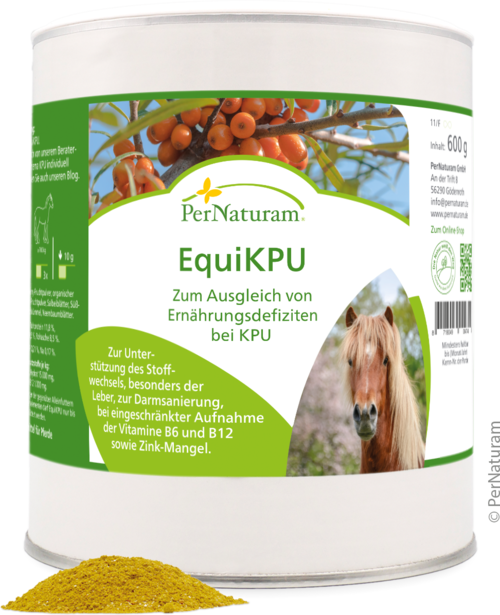
zum Wiederaufbau einer gesunden Darmfunktion

The Importance of Gut Microbiota for Your Horse

The intestinal lining of a horse is densely populated with over 100 trillion bacteria. These microorganisms play a vital defensive role by protecting against harmful pathogens. Additionally, the gut contains fungi, protozoa, and even certain worms—all of which have their place, as long as the balance is maintained.
Without a functioning gut microbiota, the body cannot survive. A large part of the immune system is located in the digestive tract. One-sided feeding—caused by a lack of vital nutrients, poor hay or pasture diversity, or grain-based concentrates high in processed starch—can disrupt this delicate microbial balance. The gut environment becomes overly acidic, and the microbiota loses its ability to defend against infections or parasites.

A species-appropriate equine diet should support the natural gut microbiota so it can fulfill its essential roles in metabolism and immunity. It produces key vitamins, enzymes, and amino acids, and aids in the breakdown and elimination of toxins.

A healthy gut microbiota is reflected in your horse’s vitality and performance—visible in a shiny coat, strong hooves, and smooth, resilient skin.

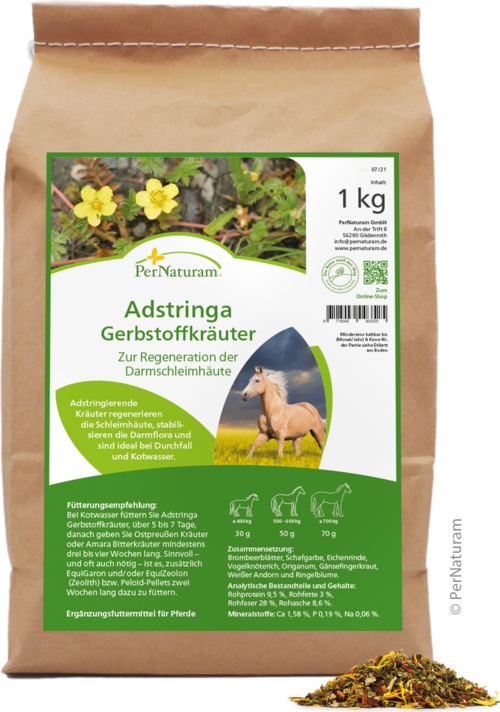
Adstringa Gerbstoffkräuter Produkt web

Kotwasser und Durchfall beim Pferd

Watery Manure and Diarrhoea in Horses: Causes & Solutions 

Modern horse diets often lack diversity and are frequently high in protein and fructans. Additionally, contamination with fungi and toxins in daily feed contributes to a disruption of the horse’s protective gut flora. The intestinal system is an immense ecosystem, populated by over one quadrillion bacteria and involving more than a thousand different microbial species. 

This delicate balance is easily disturbed—or even destroyed—by inappropriate feed. As a result, the intestinal lining becomes irritated and permeable, leading to symptoms such as watery manure

Unfortunately, horses grazing on today’s pastures no longer have access to medicinal herbs. Even if trees like oak or walnut are within reach, horses are often deliberately kept away from them out of misguided caution. This is a significant mistake: the bark and leaves of these trees offer precisely the support needed in such situations. 
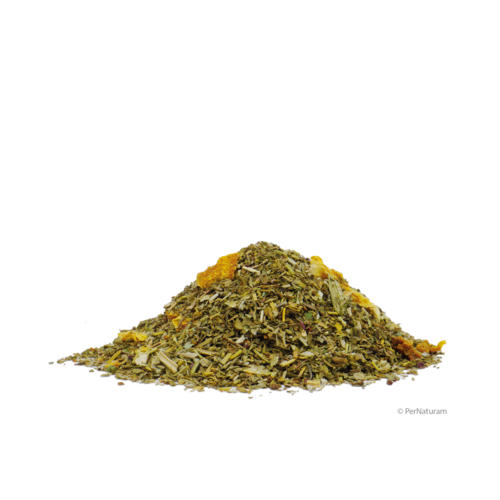

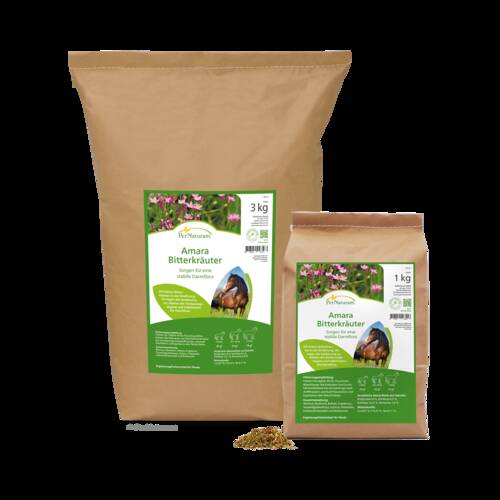
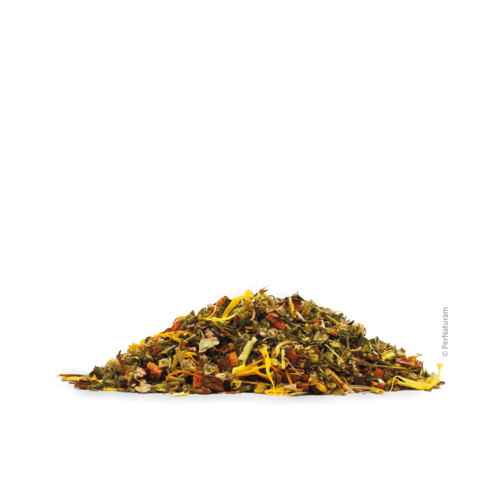
You can safely offer branches from these trees—or, more specifically, provide herbal support with Adstringa (rich in tannins) and Amara (bitter herbs). These form the botanical foundation for treating gut-related issues like watery manure or diarrhoea in horses.
Adstringa Gerbstoffkräuter

CONTENT SEO Pferd Toscana Mischung Probe web

Blähungen beim Pferd – was tun?

 Gas and Bloating in Horses – What Can You Do?  

 Bloating in horses is often the result of fermentation disorders in the digestive tract, typically caused by dietary imbalances or disruptions to the gut flora. It manifests as abdominal distension and excessive flatulence, which are usually harmless and short-lived. In some cases, however, excessive gas formation can affect your horse’s well-being and even lead to discomfort under saddle.  

Unsere Fütterungsempfehlung bei Blähungen beim Pferd:

Our Feeding Recommendations for Gas and Bloating in Horses: